
How to Search Civil Dockets
Start any Graham County docket search at the Kansas Judicial Branch Public Access Portal. The portal is the main online route into District Court civil case information. Set Court to District. Choose Graham County. Then select Civil for a regular or limited action. Family gets its own filter, as do Probate or Mental Health. A filing-date range narrows wide results. Search options include Case Number, Party Name, Business Name, Party As Business Name, and Citation Number. The portal runs Turnstile verification before results load. A case number you already know is the fastest route to a match. For party searches, type the name in Last, First format and skip one-letter queries. Check the county and category before accepting a hit as the right case. The Case Events list then gives the timeline in order. Access to the underlying documents varies.
- Open CaseSearch and select District.
- Choose Graham County and the correct Civil, Family, or Probate or Mental Health filter.
- Enter the complete case number or a precise party name.
- Read the caption, filing date, events, settings, and disposition together.
- Request the exact public judgment or order from the clerk when proof is needed.
Graham County Civil Docket Search
Picking the right search category matters more than people expect. Contract, tort, real-property, and most limited actions sit under Civil. Domestic-relations matters go under Family where that choice applies. Probate or Mental Health is the broadest bucket. It may hold restricted proceedings. Small claims stay inside the Kansas District Court framework. The first portal screen just offers no separate small-claims option. Graham County joined the statewide Odyssey environment on July 11, 2022. Newer case numbers may carry the county abbreviation, year, case type, and six digits. An example looks like GH-2022-CV-000001. Older Graham County records may use year, type, and number with no GH. That example is structure only, not a real case.
What a Civil Docket Shows
A public Graham County civil docket can list the case number and type, caption, parties, attorneys, assigned judge, initiation date, Case Events, hearing dates, and disposition. The event index may track a petition, answer, summons, return of service, motion, conference, order, judgment, dismissal, trial, or appeal. Documents can be restricted. The caption and event list may stay public anyway.
| Case number | The court identifier, which may include GH and a civil case-type segment. |
|---|---|
| Parties | Plaintiff, defendant, petitioner, respondent, or another public participant. |
| Filing event | A petition, complaint, answer, response, motion, or other indexed item. |
| Setting | A scheduling conference, status hearing, motion hearing, trial, or later reset. |
| Disposition | A judgment, order, dismissal, settlement category, trial result, or appeal event. |
A "Filed" stamp only means one thing. The clerk or system accepted the item. The court has not agreed to anything. A motion entry likewise leaves the ruling hidden until a later order appears. For formal use, request the signed or journalized document instead of trusting the event label.
Graham County Civil Docket Filings
The Kansas Judicial Branch report covers the year ending June 30, 2025. It counted 119 Graham County civil filings in three official groups. Regular actions made up 13 of them. Limited actions totaled 73, the largest reported group. Domestic relations accounted for 33. These are filing counts only, not successful claims or judgments.
Regular actions split into four contract, six other, one real-property, and two tort filings. The limited row had 68 contract and five other matters. Real-property filings were zero. Domestic relations broke down as 14 marital-status, five other, five protection-from-abuse, and eight protection-from-stalking filings. Rule 22 keeps case-level protective matters nonpublic. These aggregate figures still appear as workload data.
Types of Civil Cases on the Docket
Graham County District Court holds broad civil jurisdiction. The annual report separates regular actions, limited actions, and domestic relations, and that split helps you choose the right search category. Probate, mental-health, guardianship, conservatorship, and small-claims matters also live inside the District Court system. Access rules and portal labels differ among them.
- Regular actions, including contract, tort, real-property, and other claims
- Limited actions, including the contract and other groups in the state report
- Family and domestic-relations matters, subject to special document limits
- Probate, guardianship, conservatorship, and mental-health matters
- Small claims handled within the District Court framework
A city municipal court is not Graham County's general small-claims court. Federal civil cases stay out of Kansas CaseSearch too. Those belong to the Federal District of Kansas through PACER and CM/ECF.
Graham County Civil Docket Service
Service entries trip up many readers. The petition or complaint opens the claim. A summons issued event means court process was prepared, nothing more. Receipt by the other party is a separate question. The return of service event answers it, and its exact wording tells you what was actually reported. Anyone reading a Graham County docket should trace each step in turn rather than merge them.
- Summons issued
- Formal process was prepared or issued; service is not yet established by that label alone.
- Return of service
- A document or event reports the service effort or result.
- Answer or response
- A party filed a response; the merits are still undecided.
- Motion
- A request for a ruling, which needs a later order to show the court's decision.
Dismissal entries deserve the same care. Read the entry closely to learn whether dismissal was with prejudice, without prejudice, partial, or tied to another order.
Settings and Hearings on Civil Dockets
Scheduling conferences, status conferences, motion hearings, mediation entries, and bench or jury trials all show up on a Graham County civil docket. Think of a setting as one point in the case, not the end of it. A continuance moves an event later. A reset posts a new date or time, though the entry may stay silent on why it moved.
Check the latest Case Events right before you appear. Match the date, time, judge, setting type, and courtroom details against each other. Confusing entries or a missing new order? Call the Clerk of the District Court. The statewide calendar and the Graham County court calendar help as cross-checks, but the court's own notice and current docket control. One more caution: a setting promises nothing about which motions get heard that day, since scheduling orders and continuances can narrow the scope. Review the linked public order when one is available.
Graham County Civil Docket Dispositions
The 2025 report tallied 106 civil dispositions in Graham County: 14 regular, 64 limited, and 28 domestic-relations. Some of those cases were filed in earlier years, so dividing 106 by the 119 same-year filings tells you nothing about clearance or success. The report's categories are statistics, not the judgment itself.
| Group | Total | Selected report categories |
|---|---|---|
| Regular | 14 | 2 concluded or settled, 6 no-trial dismissed, 5 uncontested |
| Limited | 64 | 17 concluded or settled, 15 no-trial dismissed, 2 trials to court, 29 uncontested |
| Domestic | 28 | 14 concluded or settled, 12 no-trial dismissed, 1 trial to court |
Take the labels with care. "Uncontested" is a statistical bucket, not proof every issue ended the same way. "No-trial dismissed" gives no reason and no legal effect. For those answers, read the actual Graham County judgment, dismissal, or journal entry.
Public Access to Civil Dockets
Two routes open public Graham County civil case information: CaseSearch and a courthouse public terminal. Access is not unlimited. Kansas Supreme Court Rule 22 closes off certain case types and documents. Special limits apply to divorce, custody, visitation, support, parentage, guardianship, conservatorship, and poverty-affidavit material. Protection-from-abuse and protection-from-stalking cases are nonpublic entirely. Rule 24 also mandates redaction of personal information. The Kansas electronic access statute sets the terms. Counties provide access to public district-court records under them.
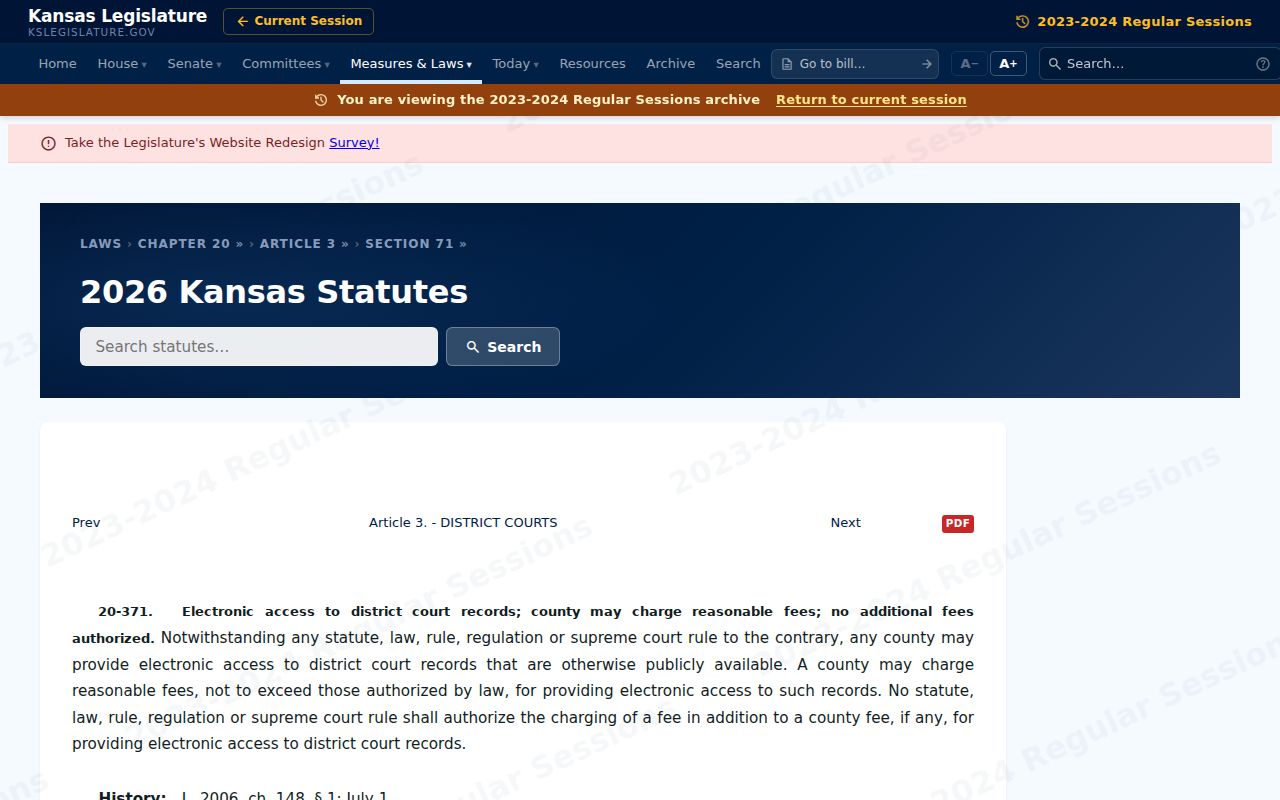
Online access has limits, though. The statute does not put every civil pleading on the internet, so the paper record still matters. The Kansas Open Records Act inspection provision offers a separate request route for nonexempt public material.
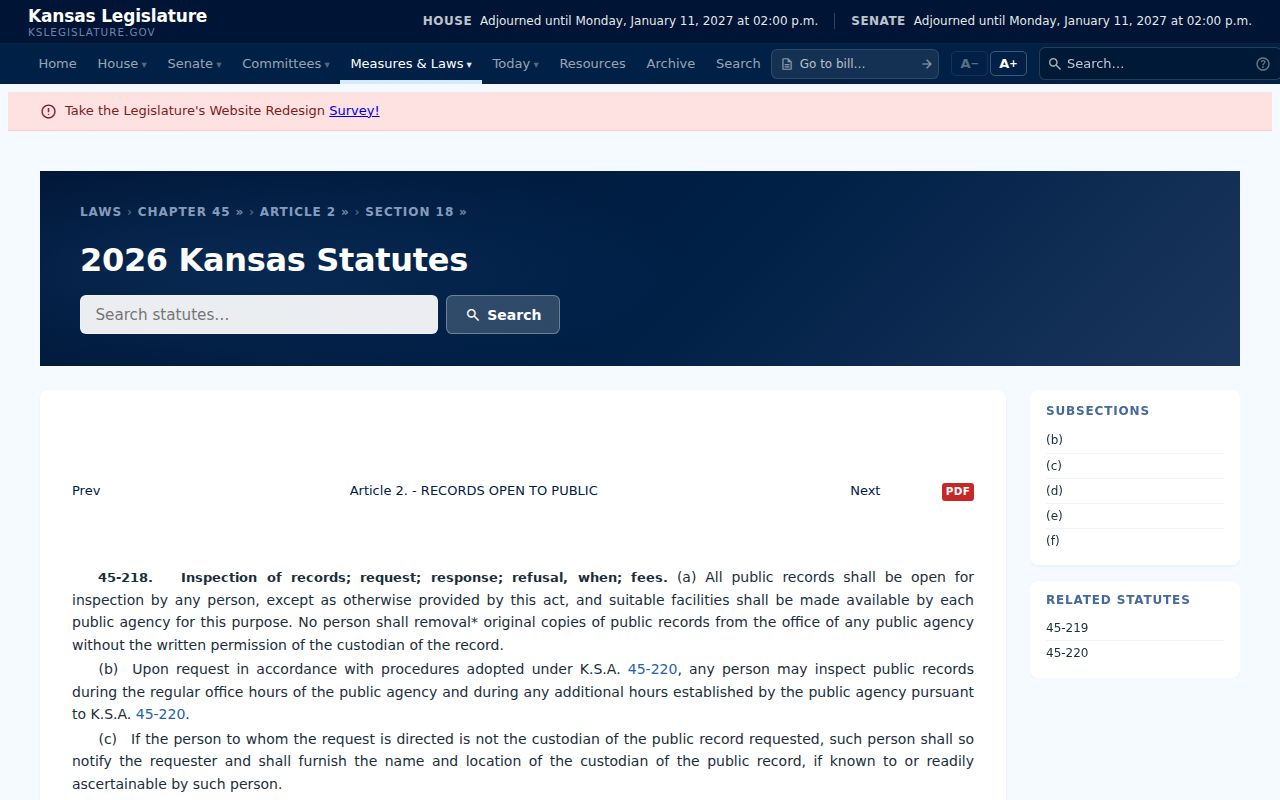
A focused request helps the clerk find the right Graham County document fast.
Access is layered. A public caption or Case Event does not make each pleading public. Ask whether the desired item is online, terminal-only, clerk-request-only, redacted, restricted, or available as a certified copy.
Graham County Civil Docket Copies
When an online event list falls short, go to the Clerk of the District Court. The office sits in the Graham County Courthouse at 410 N. Pomeroy Avenue, Suite 9, Hill City, Kansas 67642. The phone number is (785) 421-3458. Ask at the counter, call ahead, or mail a written request. A courthouse public terminal covers public information that may not appear online. The official district court records guidance lays out the records and fee framework. It applies across the surrounding judicial district.
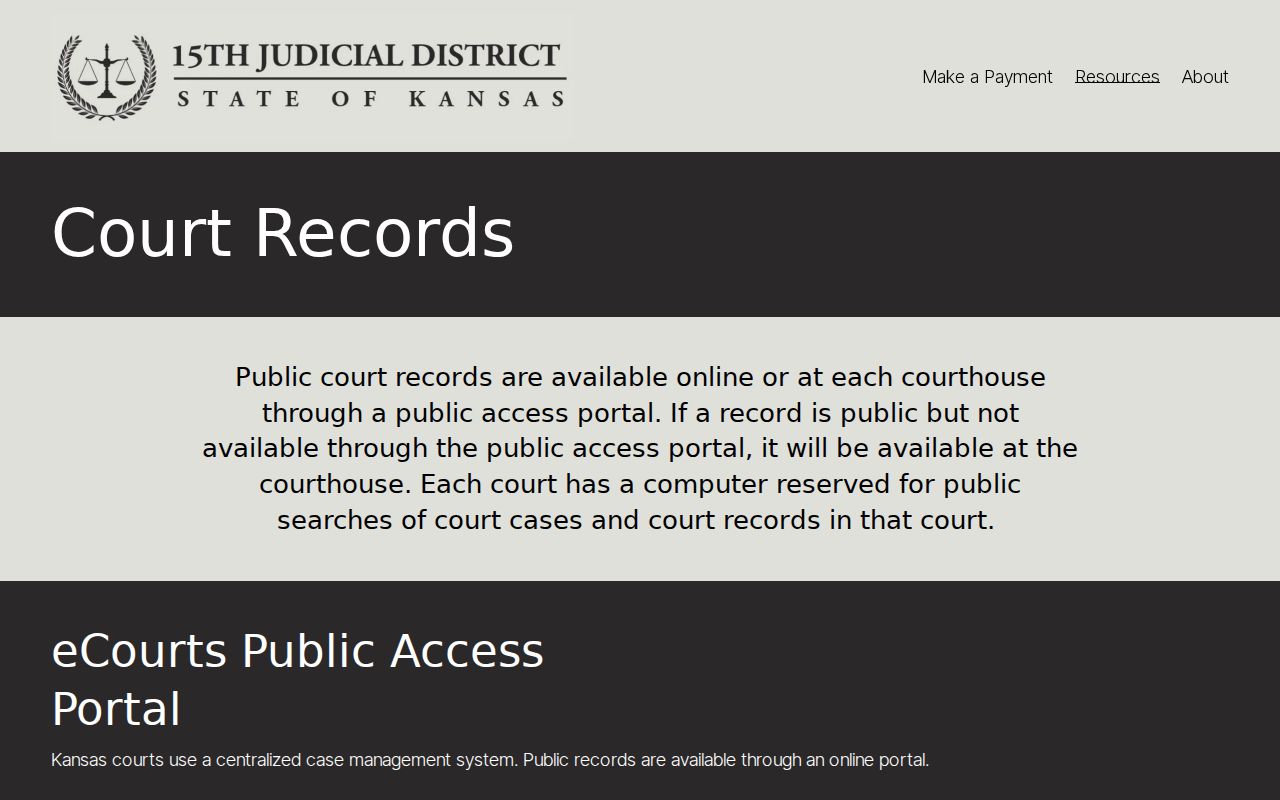
Graham County does not post its copy fees or counter hours separately. Call the clerk first. Confirm the cost and payment method. Ask how long the request will take.
When you ask for copies from a Graham County civil docket, be specific. Give the case number, the civil category, and the filing date range. Name the exact papers you need. A complaint, an answer, a motion, an order, a judgment, a dismissal, or an event printout all count. K.S.A. 45-218 sets the deadline. The clerk must act on a request for nonexempt records as soon as possible, and no later than the end of the third business day. That clock is subject to clarification, volume, cost, and the statute's response rules. A portal printout is not certified. If you need an authenticated copy, ask the clerk to certify the exact public judgment.